

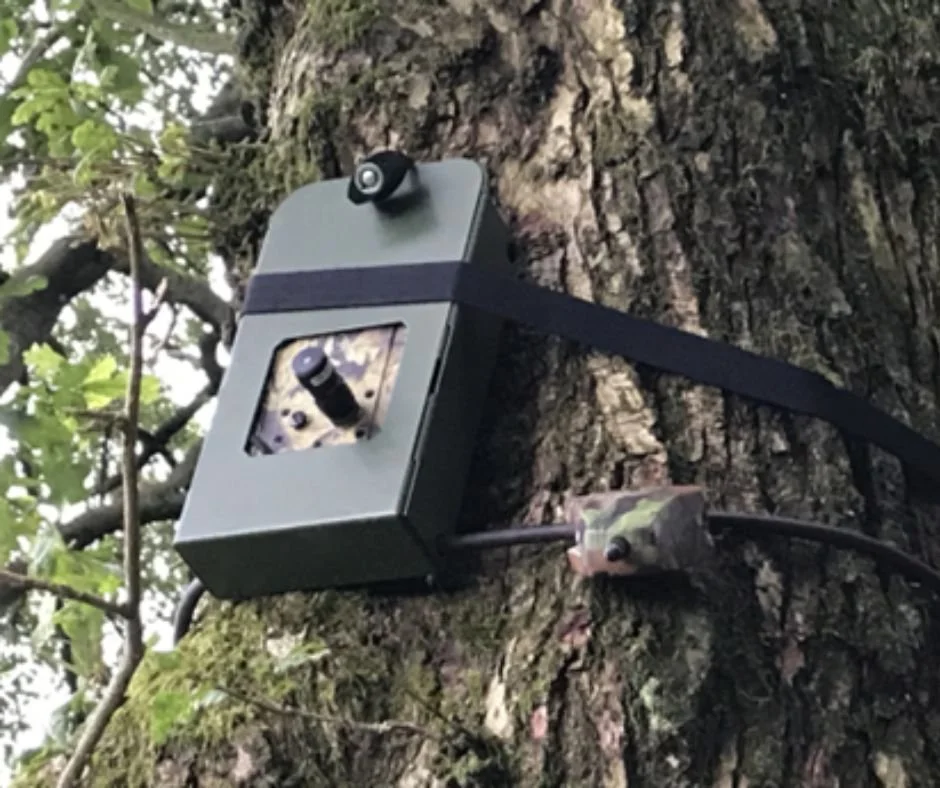
How Early Engagement with Ecologists Reduces Project Costs
Early engagement with ecologists is one of the most cost-effective risk-management strategies available to project teams in Scotland. Late engagement frequently results in programme delay, design rework, licensing complexity, and increased contractor costs.
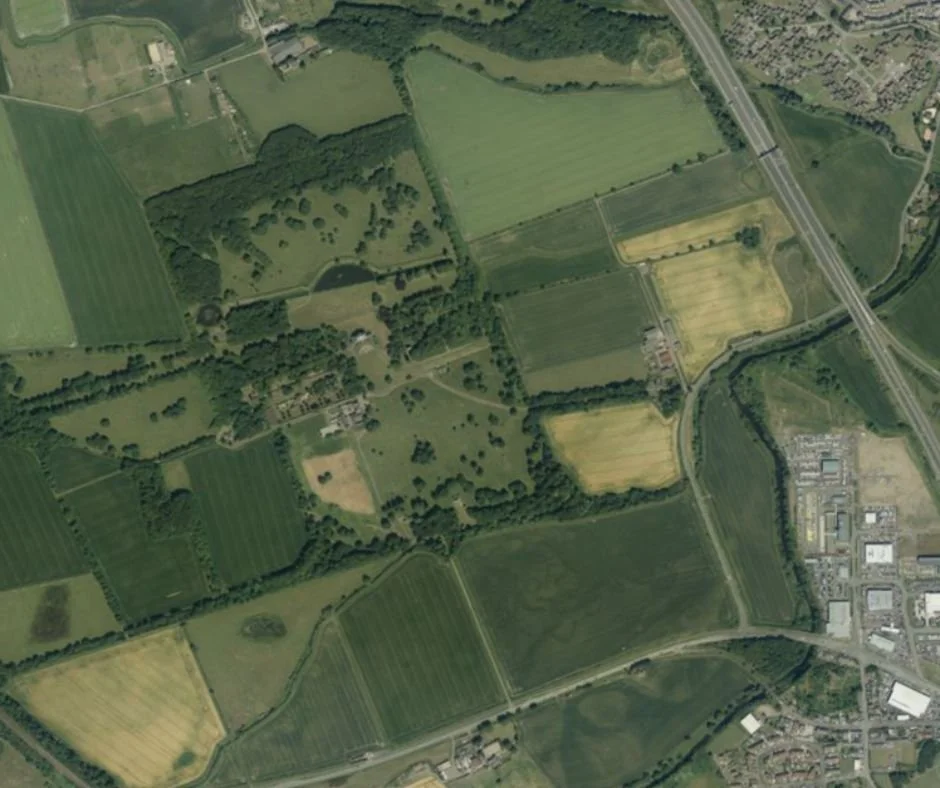
Habitat Fragmentation and Linear Infrastructure: Ecological Impacts and Solutions
Linear infrastructure presents particular ecological challenges due to its potential to divide habitats into smaller, isolated units. In Scotland, where protected species move along riparian corridors, woodland edges, hedgerows, and coastal margins, fragmentation can directly influence both planning decisions and protected species licensing.
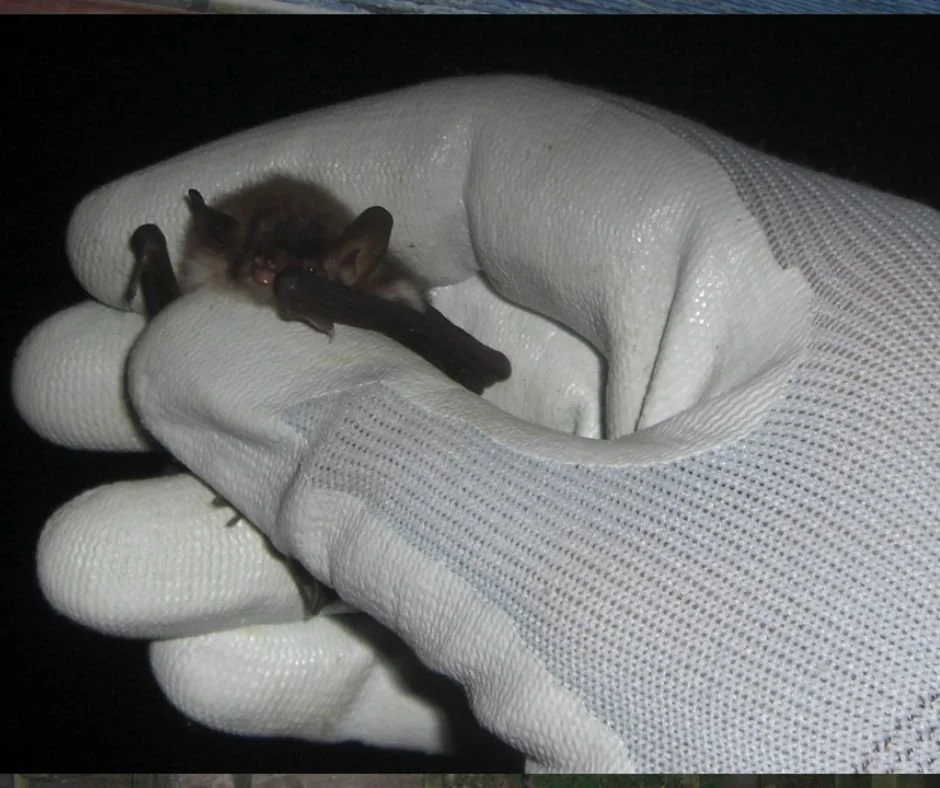
Designing Projects that Avoid Licensable Impacts: Practical Strategies
Avoiding licensable impacts is one of the most effective ways to reduce ecological risk, programme uncertainty, and project cost in Scottish development. When impacts cannot be avoided, a NatureScot licence may be required, which can influence design, timing, and construction methods.
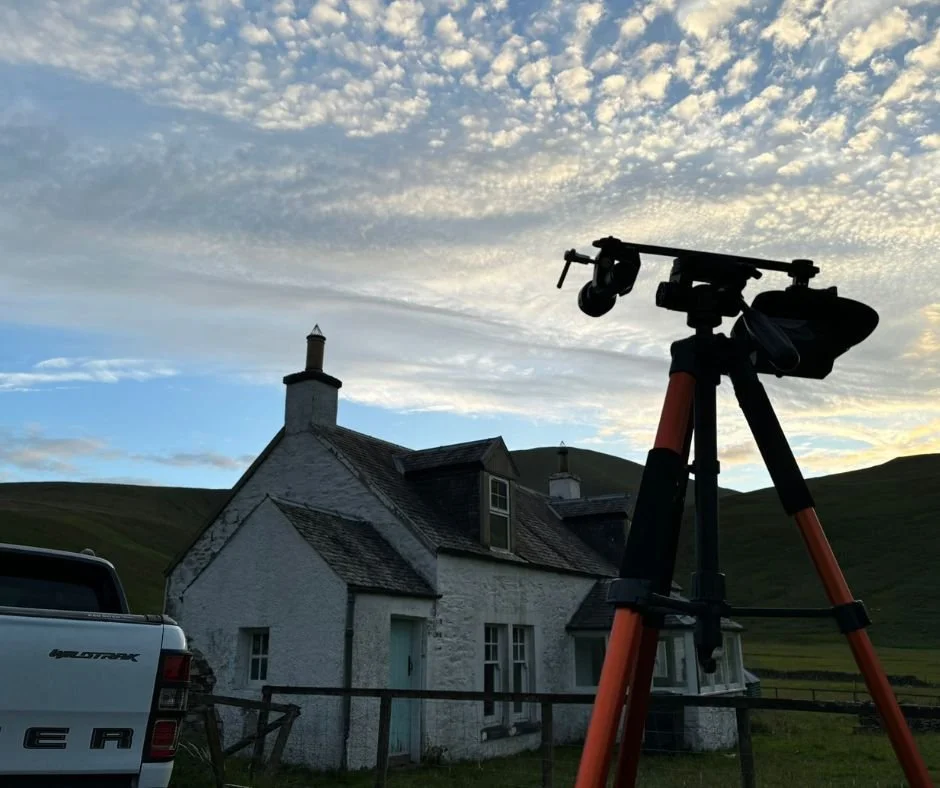
Survey Windows in Scotland: Aligning Programme Scheduling with Ecological Needs
Ecological survey windows have a direct influence on programme scheduling in Scottish development projects. Many species require surveys at specific times of year to produce reliable evidence for planning or protected species licensing. When ecological constraints are identified late, survey windows can become a critical path item, delaying planning submission, licensing, and construction sequencing.
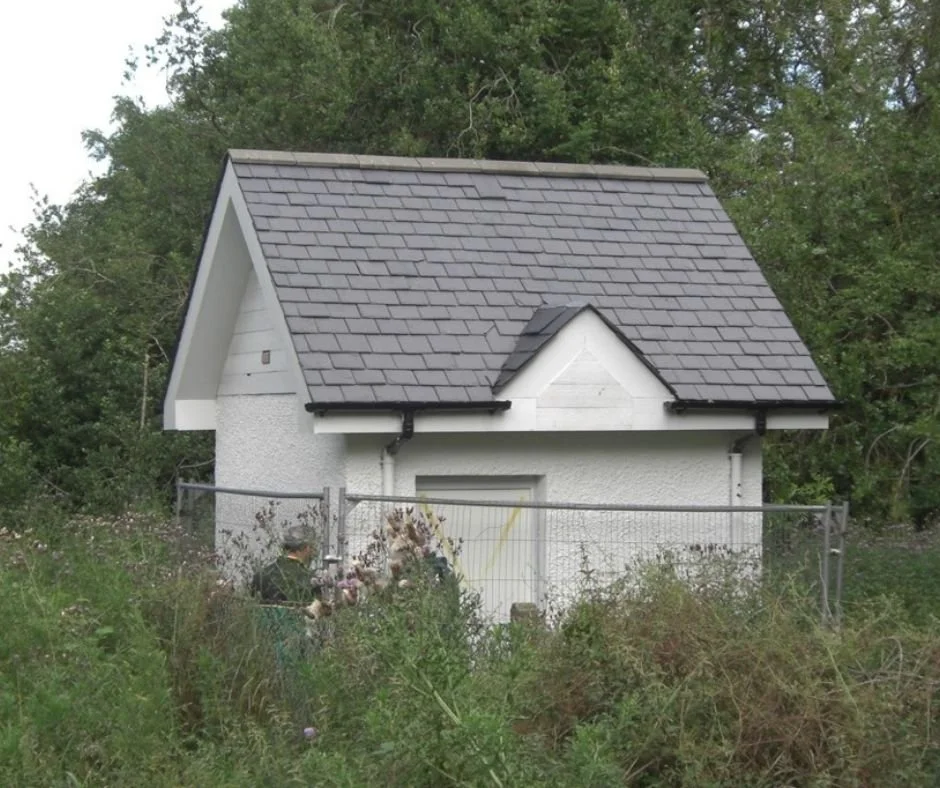
The Role of Proportionate Surveying in Scottish Planning Decisions
Proportionate ecological surveying is a core principle in Scottish planning policy and protected species guidance. Planning authorities must ensure that their decisions are legally robust while avoiding unnecessary survey effort that is not justified by ecological risk.
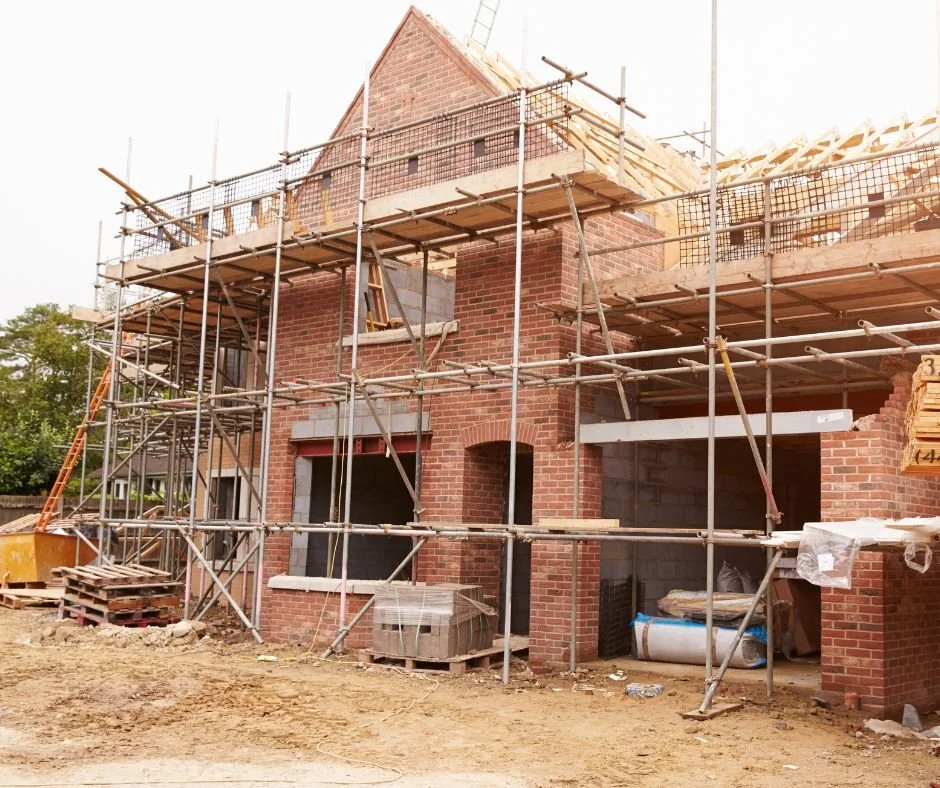
Mitigation vs Compensation: Selecting Effective Measures for Scottish Sites
Mitigation and compensation are central concepts in ecological impact management, yet they are frequently misunderstood or used interchangeably in development projects.
Navigating the Habitats Regulations 2017 (Scotland): Essential Guidance for Developers
The Conservation of Habitats and Species Regulations 2017 (as amended in Scotland) form the principal legal framework governing European Protected Species (EPS), Special Areas of Conservation (SACs), and associated activities across Scottish development projects. Because the Regulations underpin decisions by Local Planning Authorities (LPAs) and NatureScot, understanding their structure and application is essential for developers, planners, and consultants seeking predictable, lawful outcomes.
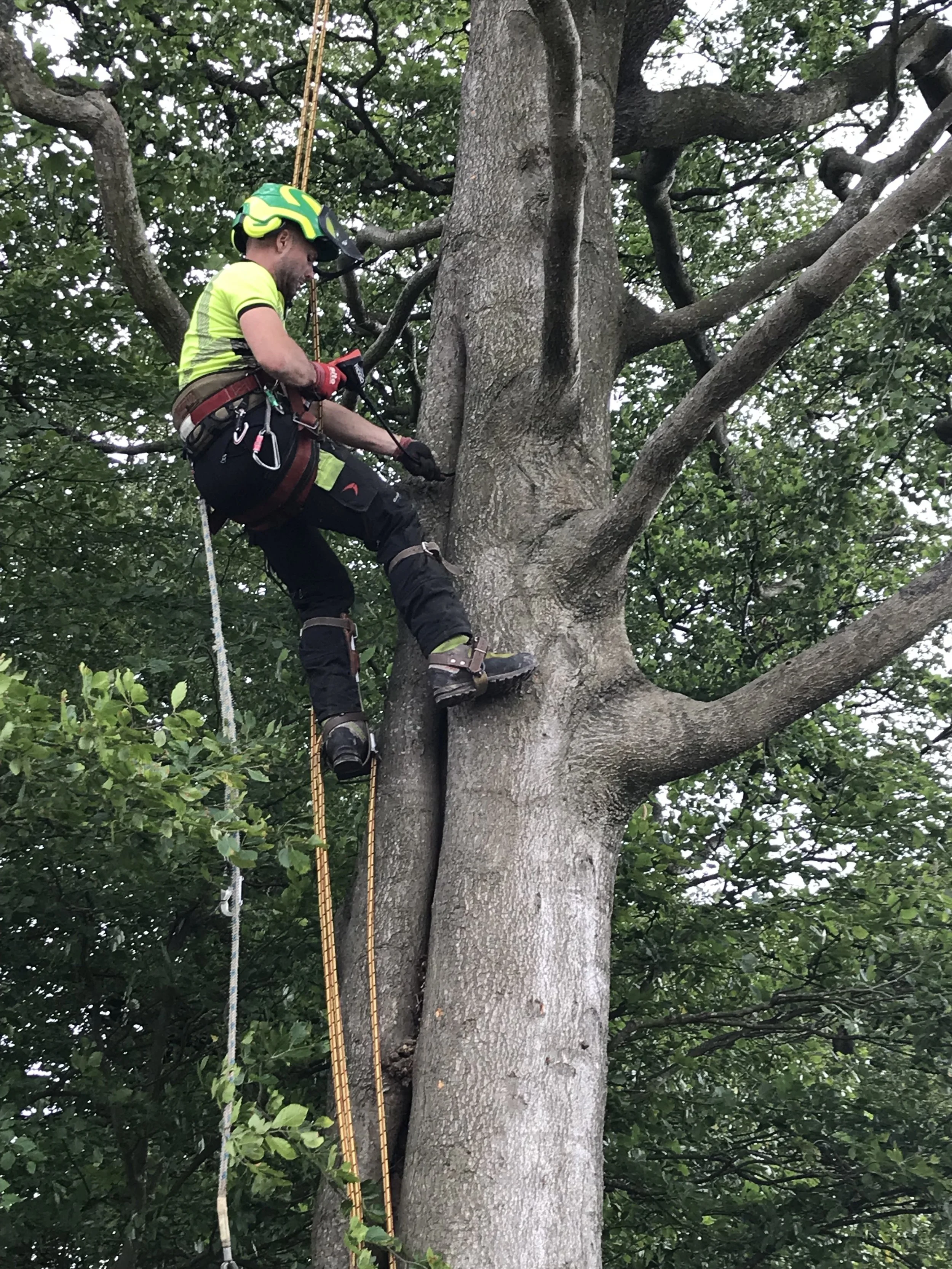
Communicating Ecological Requirements to Contractors: Practical Guidance
This article provides practical guidance for embedding ecological requirements into construction workflows and supporting contractors in meeting their legal obligations.

When Local Planning Authorities Request Ecological Assessments: A Technical Overview
Understanding why your Local Planning Authority will ask for ecological surveys can help your clients see the value in contacting an ecologist early on in their proposed works.

Artificial Lighting and Bat Friendly Design in Development Projects
Artificial lighting is an increasingly significant ecological constraint in development design. As lighting technology becomes more efficient and more widely used, previously dark areas can experience increased illumination with direct implications for bat behaviour and habitat connectivity. For project managers, designers, and contractors, understanding how lighting interacts with bat ecology is essential to ensuring lawful, proportionate, and deliverable mitigation.

When Winter Bat Surveys are Appropriate: Constraints and Misconceptions
The bat surveys we can complete are limited, but there are occasions where it is appropriate for us to complete a survey in winter to answer a specific question about your project.
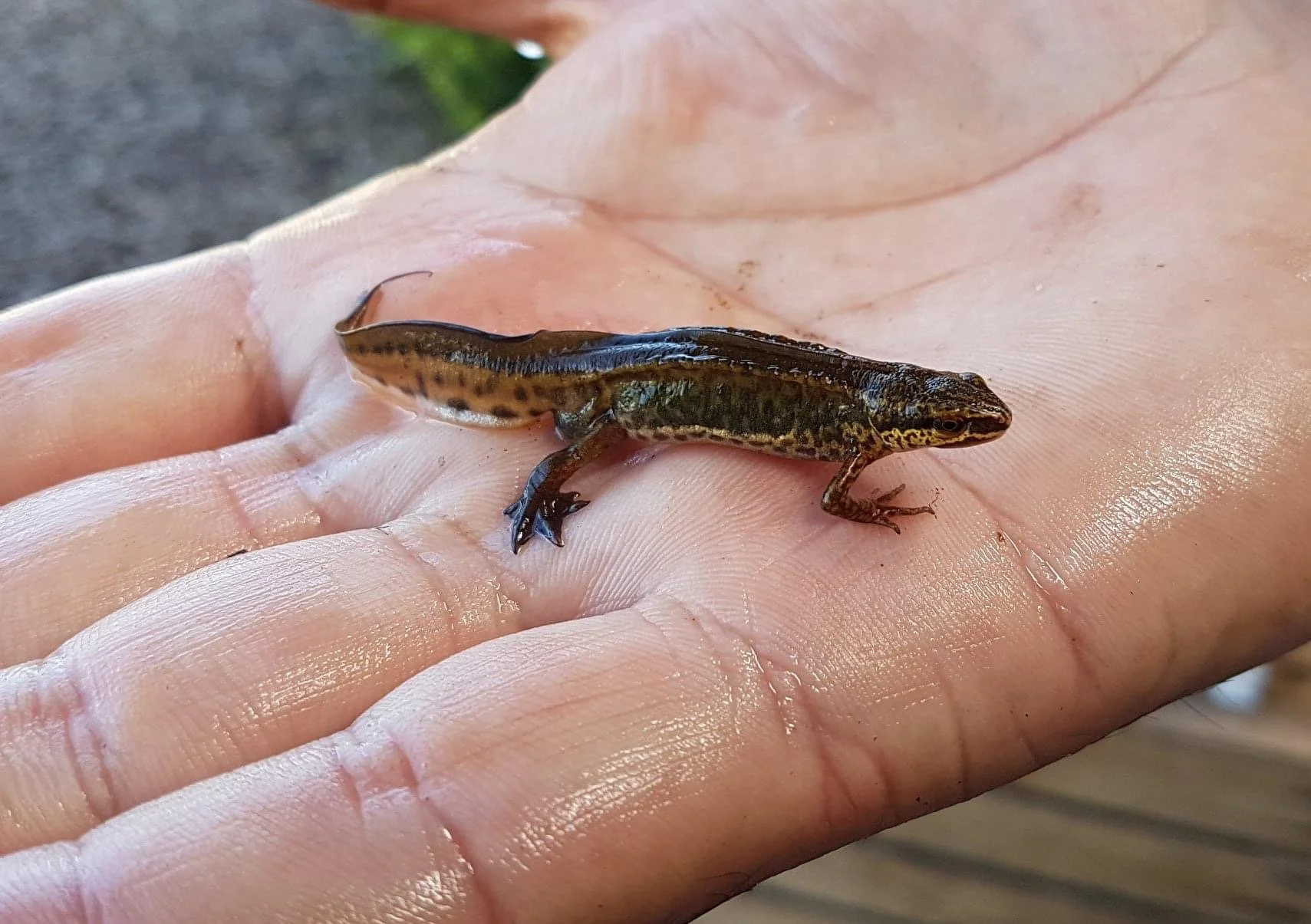
Understanding Scotland’s Protected Species Licensing Framework
This article outlines the purpose, structure, and application of protected species licensing in Scotland, focusing on key species groups relevant to development projects and the evidential thresholds that influence regulatory decisions.

About National Planning Framework 4
The impacts of National Planning Framework 4 explained, with a summary of the policy’s aims.

Bat Hibernacula and Herald Moths
Hibernation sites used by bats are often home to other species, including the Herald Moth.

Bat Mitigation Guidelines: Preserving a Hibernaculum
Our work on Middleton Quarry was featured in the Bat Mitigation Guidelines, and we've created an overview for you here.